Germany and Capacity Utilisation Mechanism
Why deregulation is not a demand policy

Reducing bureaucracy and deregulation are among the key arguments that are particularly loudly voiced in Germany when it comes to reviving the stagnating German economy. But to put it bluntly, this belief is naive.
Because investment depends primarily on expected demand and capacity utilisation.
If utilisation is below normal:
Firms postpone expansion
Cash flow is used for balance sheet repair
Financial engineering may dominate real investment
Regulatory simplification may reduce frictional costs, but it does not create orders.
Note: deregulation is not a demand policy.
Measures such as:
Bureaucracy reduction
Capital markets union
Structural reform rhetoric
operate on the supply side.
They may:
Improve allocative efficiency
Lower financing costs marginally
Improve cross-border capital flow
But they do not directly increase:
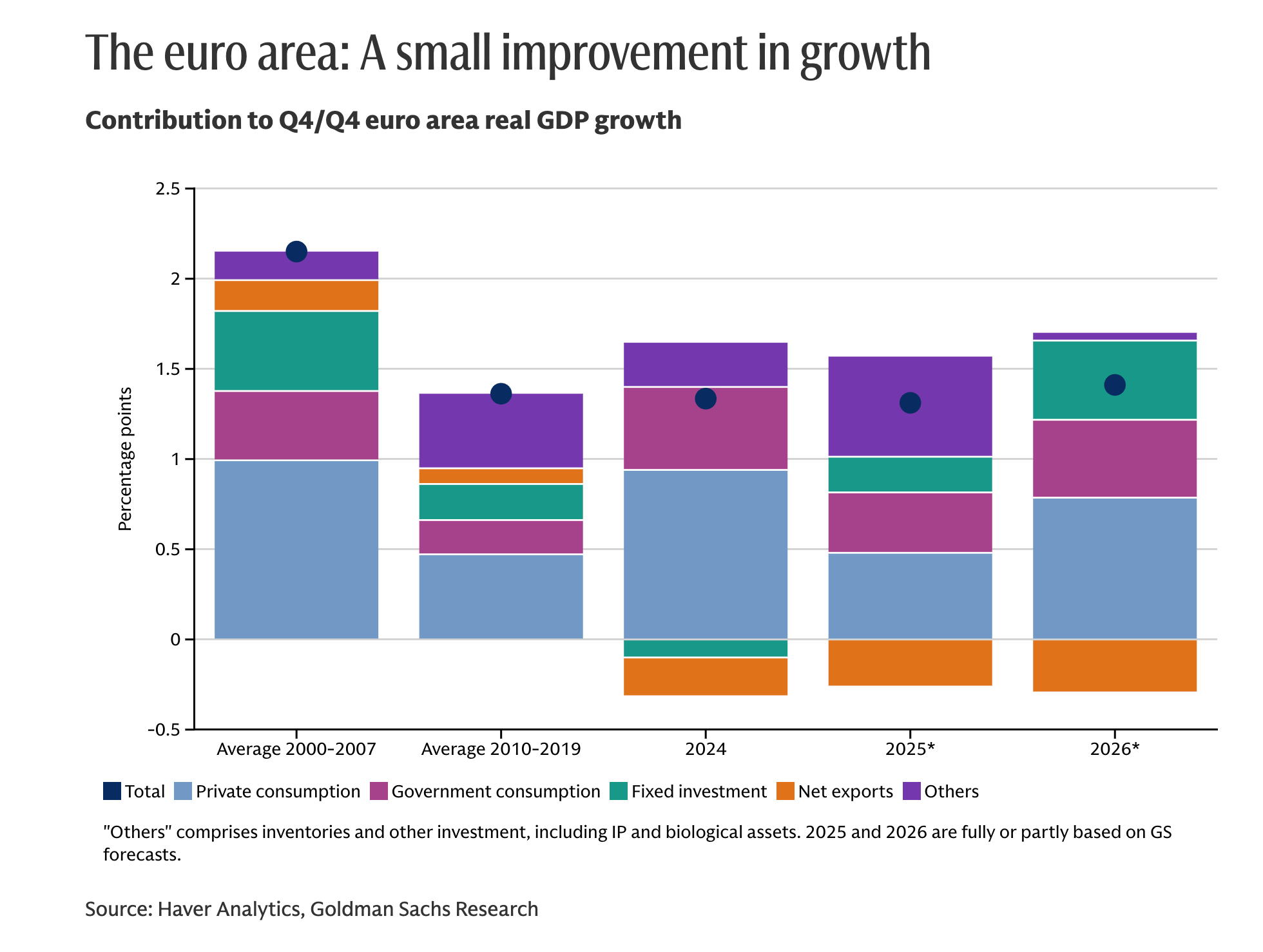
[C + I + G + (X-M)]
If firms lack customers, cheaper capital alone will not induce expansion.
Another parameter is monetary policy constraint. In particular, the European Central Bank has:
Already tightened and partially reversed
Limited room for aggressive further cuts
A mandate constrained by inflation history
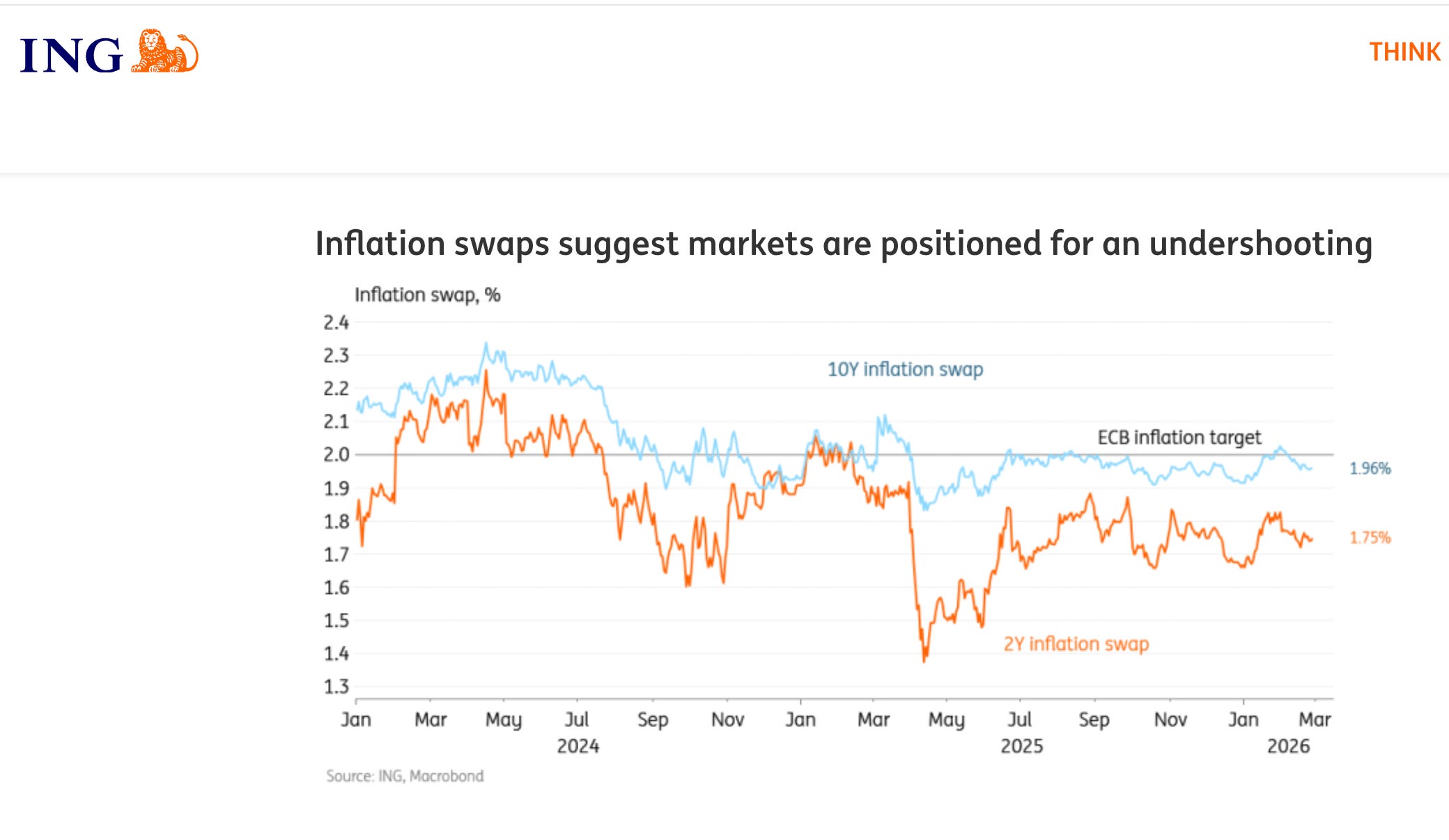
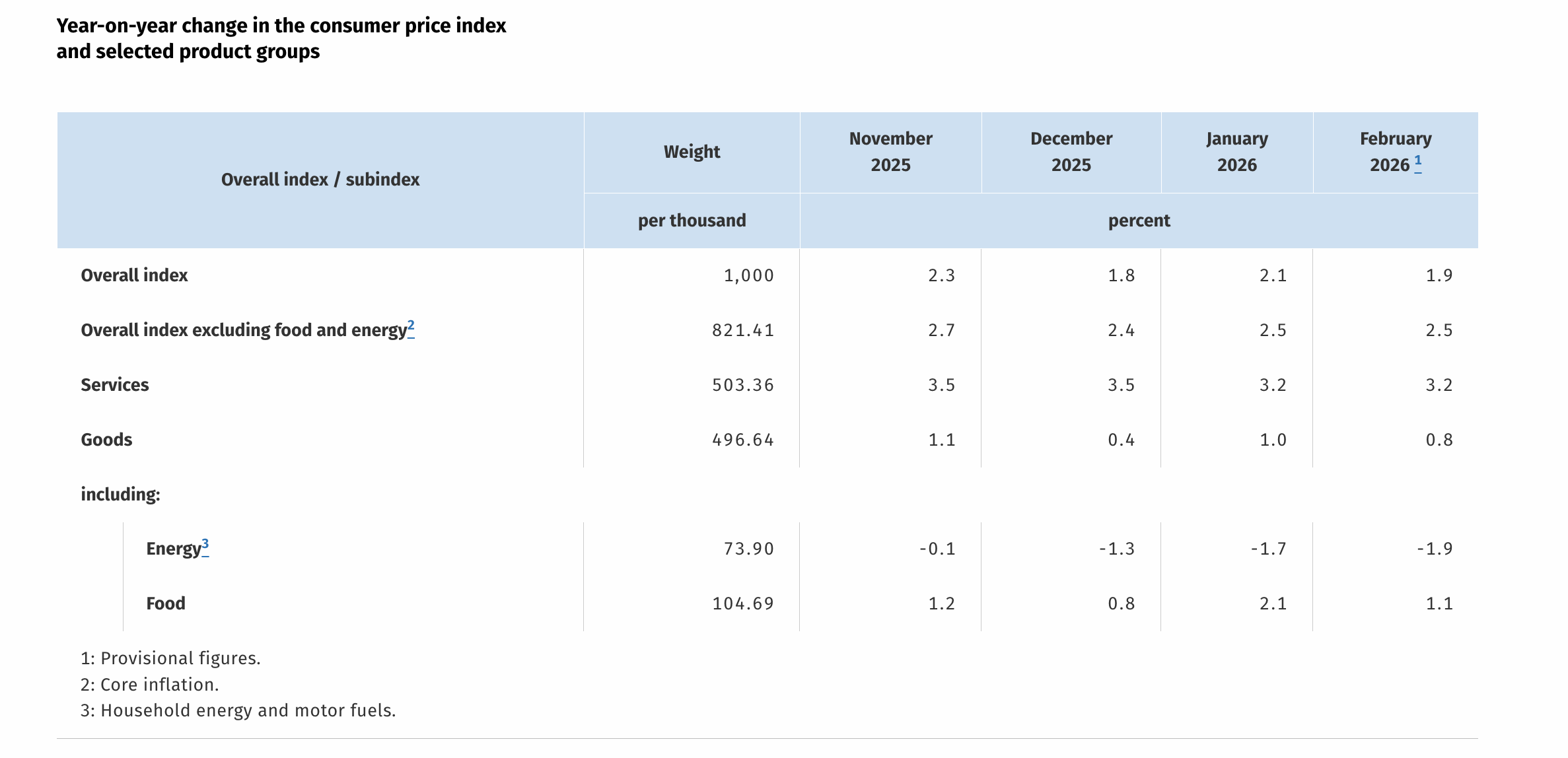
If inflation is near target and import prices are falling, monetary policy is no longer the primary bottleneck.
When interest elasticity of investment is low, further rate cuts have diminishing returns.
When it comes to the fiscal question; if private investment is subdued and external demand weak:
The only remaining autonomous demand component is G (Government expenditure).
That is not ideology. It is accounting.
The US expansion since 2022 has been heavily fiscal. Europe, by contrast, reactivated fiscal rules.
It is an open secret what Germany faces:
• Structural industrial adjustment (China slowdown)
• Energy cost shift
• Weak global manufacturing cycle
• Demographic drag
None of these are solved by labour cost compression.
They require:
• Public investment in infrastructure and energy
• Demand stabilisation
• Industrial policy
Bottom Line
Current data suggest:
Weak price pressure
Weak external impulse
Sub-trend sentiment
In such an environment:
Supply-side reform without demand expansion is unlikely to lift utilisation materially. Investment follows orders. Orders follow demand. That is the macro hierarchy.