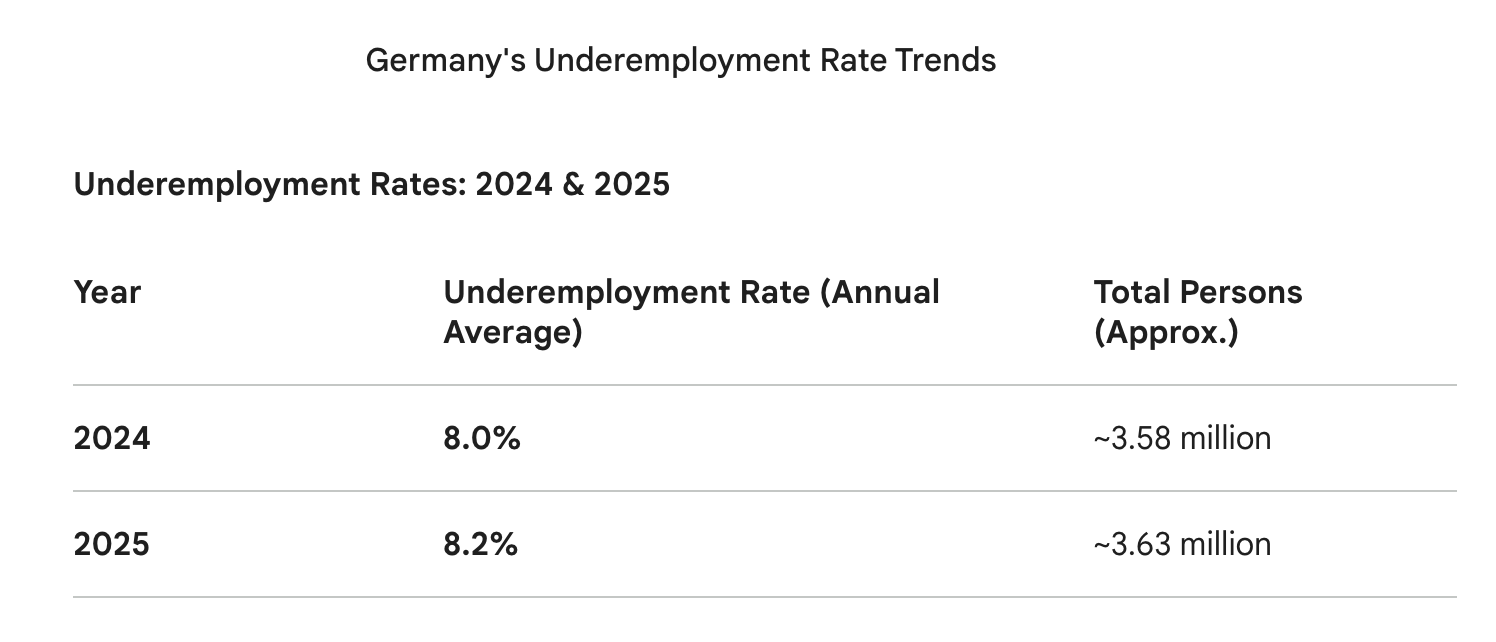
Berlin’s Odd Export: Unemployment
Germany’s Wage Problem Is Becoming a Migration Problem

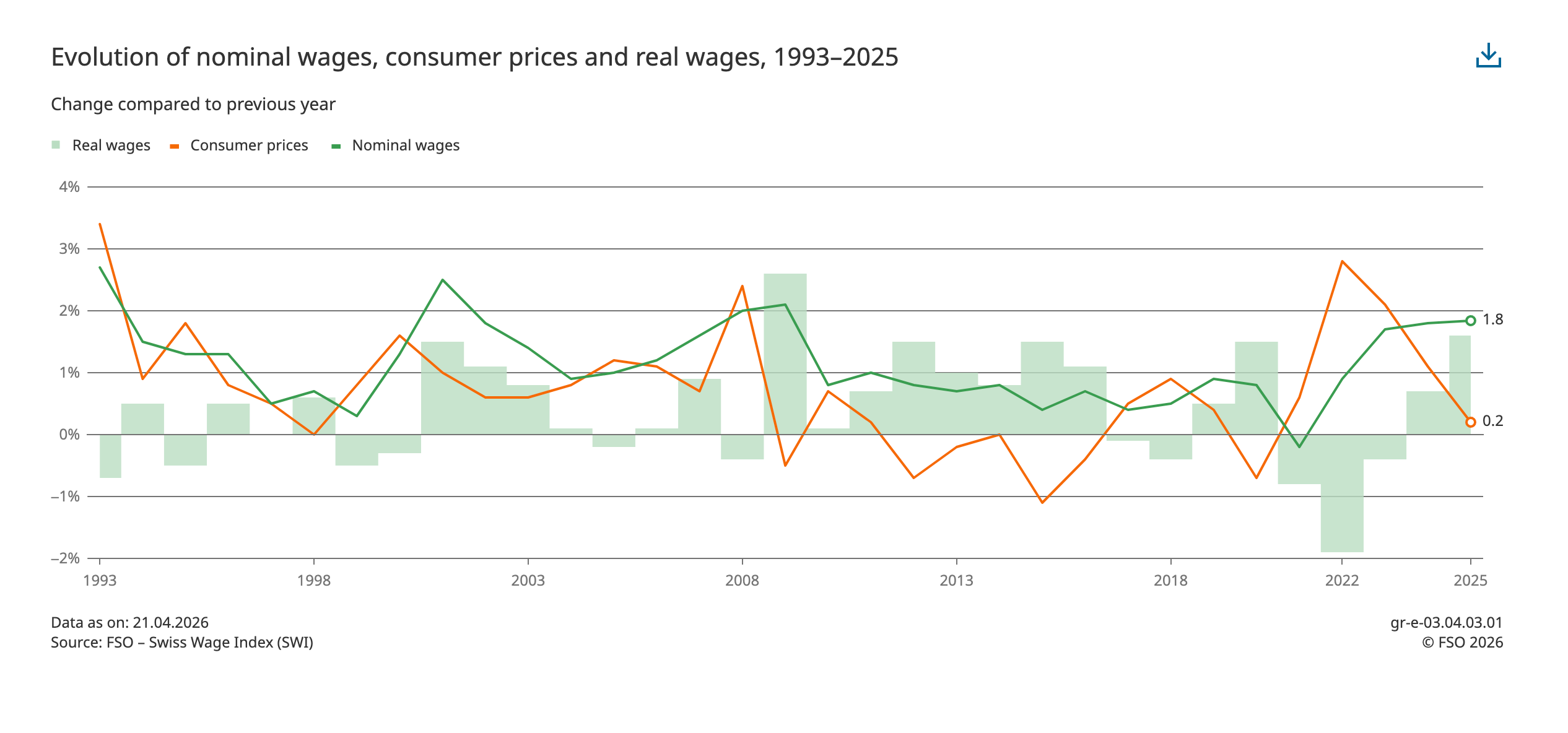
There is something quietly revealing in the latest data from Switzerland. Real wages rose again in 2025. Not spectacularly, but decisively: 1.6%. In a world of inflation shocks, even modest real income growth has become the exception rather than the rule.
Across the border, in Germany, the picture looks very different. Real wages have struggled to recover from the inflation surge of recent years. For many households, the lost purchasing power has not been regained. This is not just a cyclical inconvenience. It is a structural signal, and increasingly, a migration signal.
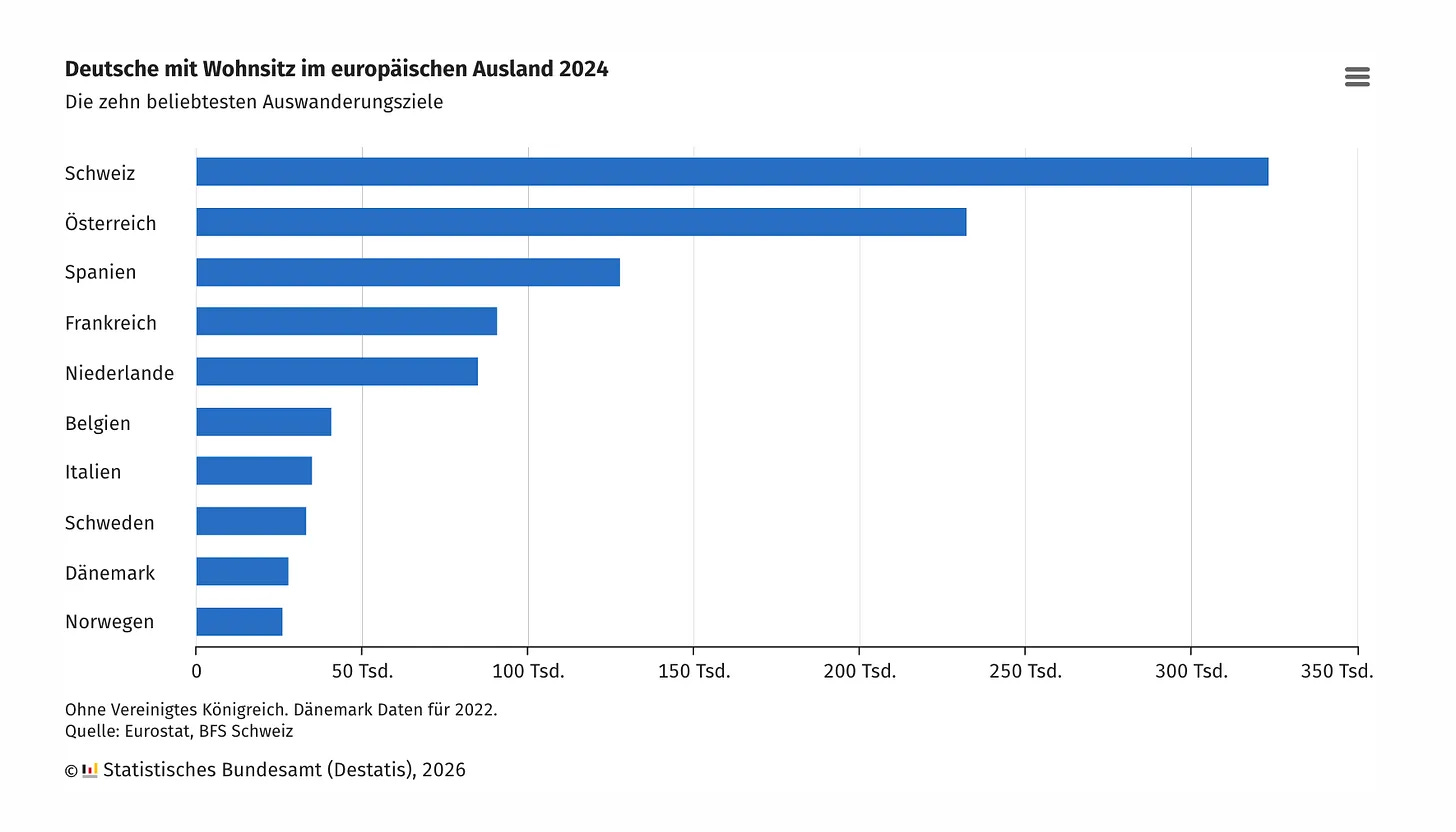
The result is visible, if not loudly discussed: skilled German workers are moving or commuting to Switzerland. Not because they suddenly discovered alpine scenery, but because the arithmetic of real income has turned against them at home.
For two decades, Germany’s economic model has relied on wage restraint. Since the country cannot devalue its currency within the euro, it has effectively devalued labour costs instead. The outcome is well known: a persistent current account surplus (2024: 5.8% of GDP). Less discussed is the domestic counterpart, chronically weak wage dynamics.
Economists such as Heiner Flassbeck have long argued that this model amounts to a «beggar-thy-neighbour» strategy within a monetary union. Whether one accepts the label or not, the mechanism is clear: suppress domestic wage growth, gain competitiveness abroad.
When real wages stagnate or fall adjustment does not simply disappear. It reappears elsewhere. Today, it reappears in labour mobility. Workers are doing what macroeconomic policy refuses to do: they are moving to where real wages actually grow.
This is not a marginal phenomenon. Switzerland, with its strong currency and consistent productivity performance, offers not only higher nominal wages but, crucially, positive real wage growth.
The German model thus produces an unintended export: its own workforce.
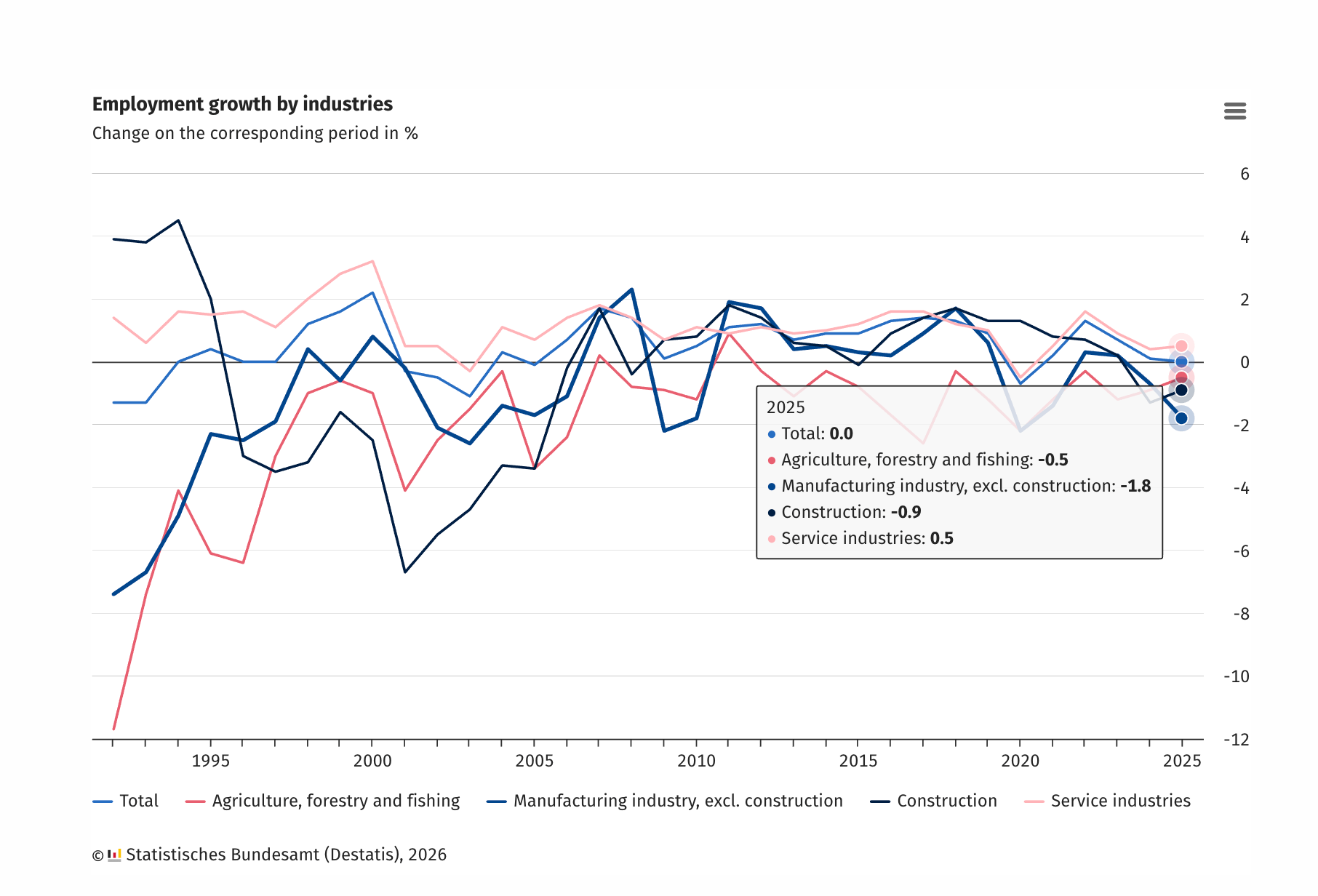
There is a political dimension to this, but it should not be caricatured. It is tempting to draw a straight line from wage stagnation to the rise of parties such as Alternative for Germany. Reality is more complex. Cultural and regional factors matter. But it would be equally naïve to ignore the economic core of the problem.
A society in which real incomes fail to grow will not remain politically stable indefinitely. Some citizens exit physically - by crossing borders (3.6% of Swiss population). Others exit politically.
In both cases, the message is the same: the German model no longer delivers. And constraints on living standards have consequences.
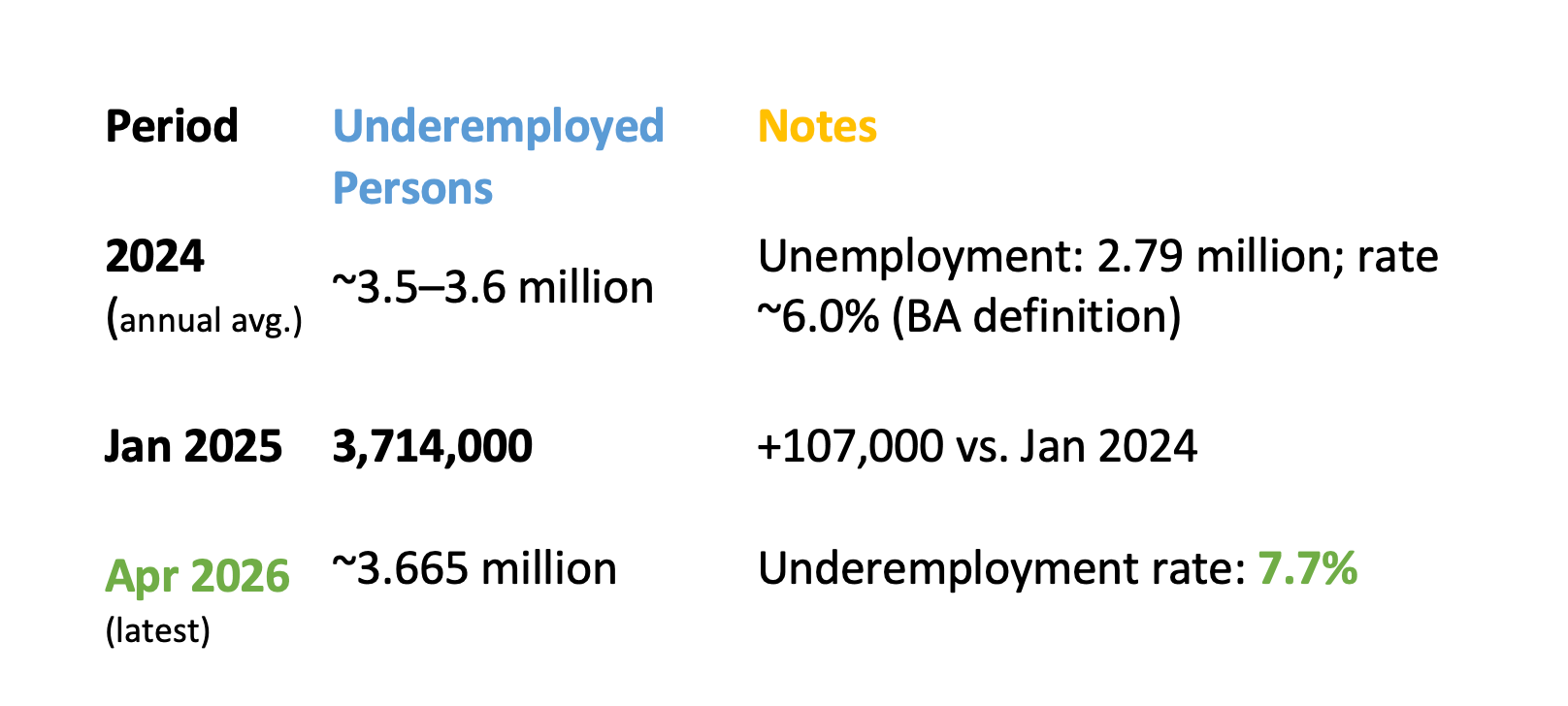
The quiet flow of German workers into Switzerland is therefore more than a labour market curiosity. It is a diagnostic. It shows, with unusual clarity, what happens when a large economy relies too heavily on external demand while neglecting domestic income growth.
A monetary union without wage coordination creates winners and losers. Those on the losing side will eventually adjust—if not through policy, then through movement.
Germany still has time to change course. Stronger wage growth, aligned with productivity and the European average, would not undermine the economy. It would stabilise it. It would also reduce the need for workers to seek abroad what they no longer find at home.
Until then, the trains to Zurich will keep filling - quietly, efficiently, and with increasing economic logic.